Join band
Become a Spartan.
No experience needed. Come to a fitting, find the instrument that suits you, and start from the first note with everyone else.
New to Band?
Where do I purchase an instrument and supplies?
Please read our beginner band information document.
Fitting days
When to come try instruments.
Fitting dates for 2027 will be posted in February.
Questions? Email Mr. Groening.
How it works
Four steps from curious to playing.

1
Come to an instrument fitting
A director checks which instruments fit your face, hands, and breathing — it takes about ten minutes.
2
Get your top choices
You try a few instruments and tell us your favorites. We match students to instruments the band needs too.
3
Pick up or rent your instrument
Most families rent from a local music store. School-owned instruments are available for the larger ones.
4
Start in Beginner Band
You start from the very first note with everyone else. No experience needed.
The instruments
Eleven instruments to choose from.
Woodwind
Flute
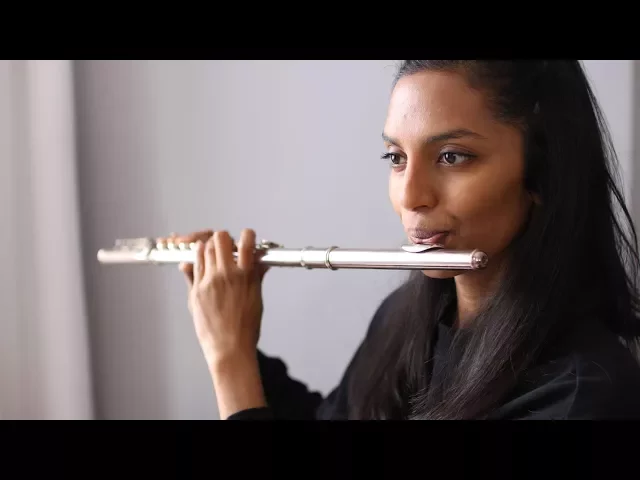
The flute is the highest-pitched voice of the woodwind section, and reads music in the treble clef. Flute tone is produced by a vibrating column of air set in motion by blowing across a tone hole, and pitch is altered through the use of fingered pads. In the upper grades, flutists often double on the piccolo, which sounds one octave higher.
Woodwind
Flute
The flute is the highest-pitched voice of the woodwind section, and reads music in the treble clef. Flute tone is produced by a vibrating column of air set in motion by blowing across a tone hole, and pitch is altered through the use of fingered pads. In the upper grades, flutists often double on the piccolo, which sounds one octave higher.
Woodwind
Oboe
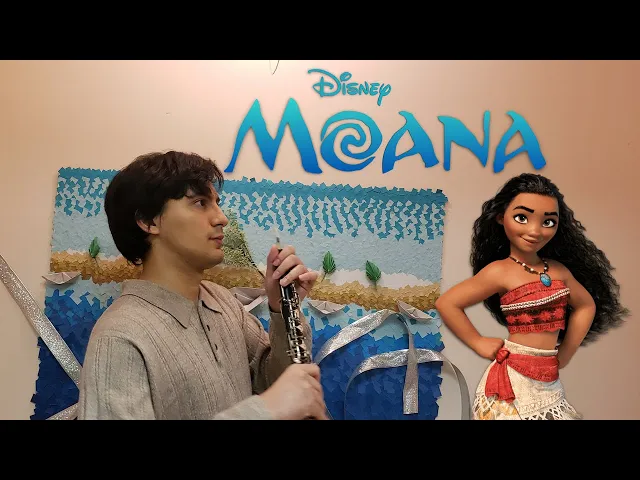
The dark, expressive tone of the oboe is produced by a vibrating column of air set in motion by a small cane double reed. Pitch is altered through the use of fingered pads. Oboe players read music in the treble clef, and the oboe functions as a soprano or alto voice in the woodwind section. As the music becomes more advanced, the oboe frequently plays important solo lines. Because of the technical challenges involved in playing this instrument, private instruction is strongly recommended.
Woodwind
Oboe
The dark, expressive tone of the oboe is produced by a vibrating column of air set in motion by a small cane double reed. Pitch is altered through the use of fingered pads. Oboe players read music in the treble clef, and the oboe functions as a soprano or alto voice in the woodwind section. As the music becomes more advanced, the oboe frequently plays important solo lines. Because of the technical challenges involved in playing this instrument, private instruction is strongly recommended.

Woodwind
Bassoon
The technique of the bassoon is similar to the oboe, but its music is read in the bass clef. The bassoon functions as a tenor or bass voice in the woodwind section. Because of the technical challenges involved in playing bassoon, private instruction is strongly recommended.
Woodwind
Bassoon
The technique of the bassoon is similar to the oboe, but its music is read in the bass clef. The bassoon functions as a tenor or bass voice in the woodwind section. Because of the technical challenges involved in playing bassoon, private instruction is strongly recommended.
Woodwind
Clarinet
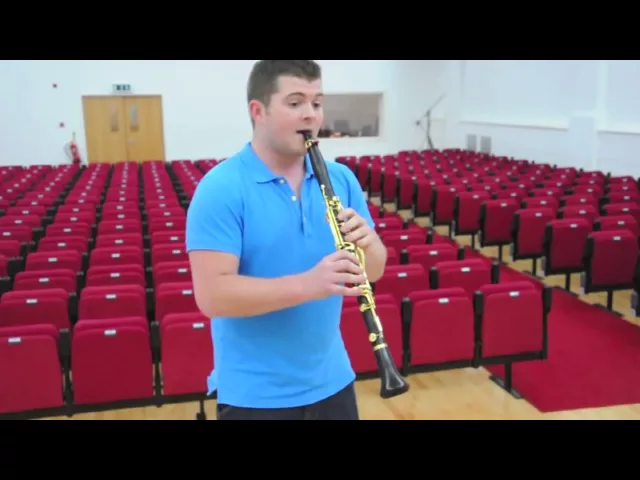
(Also known as the Soprano Clarinet) — The clarinet is the core of the woodwind section, and there are always many players needed. Reading in the treble clef, this versatile instrument has the greatest range of all the band instruments, and is used in every style of music. Clarinet tone can be either dark or brilliant, and is created by a vibrating column of air set in motion by a small cane single reed. Pitch is altered through the use of fingered pads.
Woodwind
Clarinet
(Also known as the Soprano Clarinet) — The clarinet is the core of the woodwind section, and there are always many players needed. Reading in the treble clef, this versatile instrument has the greatest range of all the band instruments, and is used in every style of music. Clarinet tone can be either dark or brilliant, and is created by a vibrating column of air set in motion by a small cane single reed. Pitch is altered through the use of fingered pads.
Woodwind
Saxophone
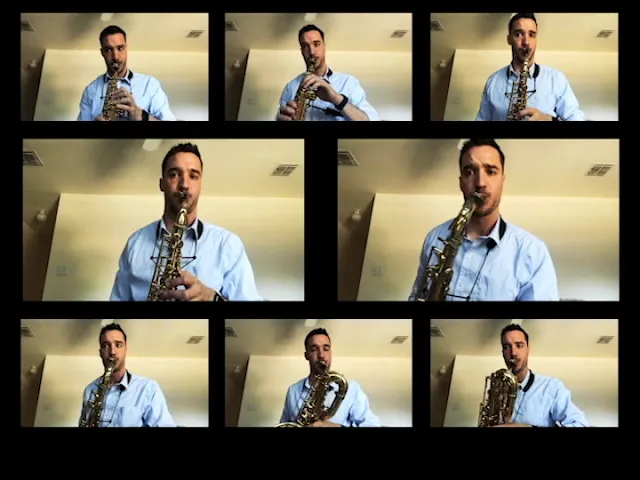
Functioning as a tonal link between the woodwind and brass sections, the warm yet flexible sound of the saxophone is created in a similar way to that of the clarinet. Read in the treble clef, this saxophone functions as an alto or tenor voice.
Woodwind
Saxophone
Functioning as a tonal link between the woodwind and brass sections, the warm yet flexible sound of the saxophone is created in a similar way to that of the clarinet. Read in the treble clef, this saxophone functions as an alto or tenor voice.

Brass
Trumpet
The trumpet is the highest-pitched voice of the brass section and reads music in the treble clef. Its brilliant tone is produced by a vibrating column of air set in motion by buzzing the lips, and pitch is altered through the use of three-fingered valves.
Brass
Trumpet
The trumpet is the highest-pitched voice of the brass section and reads music in the treble clef. Its brilliant tone is produced by a vibrating column of air set in motion by buzzing the lips, and pitch is altered through the use of three-fingered valves.
Brass
Horn
(Also called French Horn) — The playing technique of the horn is similar to that of the trumpet. Its music is also read in the treble clef but sounds a fourth lower than the trumpet. The horn has a deep, mellow tone because of its more conical shape. It functions as an alto or tenor voice in the brass section and is an important influence on the total sound of the band. The horn also acts as a bridge between the sound of the brass and woodwind sections.
Brass
Horn
(Also called French Horn) — The playing technique of the horn is similar to that of the trumpet. Its music is also read in the treble clef but sounds a fourth lower than the trumpet. The horn has a deep, mellow tone because of its more conical shape. It functions as an alto or tenor voice in the brass section and is an important influence on the total sound of the band. The horn also acts as a bridge between the sound of the brass and woodwind sections.
Brass
Trombone
The trombone is similar to the trumpet and horn in tone production, but its pitch is altered by a moving slide. Trombone music is read in the bass clef and sounds an octave lower than the trumpet. Capable of both powerful tone and subtle nuance, the trombone functions as a tenor or bass voice in the brass section. Although it has its roots in early church music, the trombone is useful in a wide variety of styles, from symphonic music to jazz.
Brass
Trombone
The trombone is similar to the trumpet and horn in tone production, but its pitch is altered by a moving slide. Trombone music is read in the bass clef and sounds an octave lower than the trumpet. Capable of both powerful tone and subtle nuance, the trombone functions as a tenor or bass voice in the brass section. Although it has its roots in early church music, the trombone is useful in a wide variety of styles, from symphonic music to jazz.
Brass
Euphonium
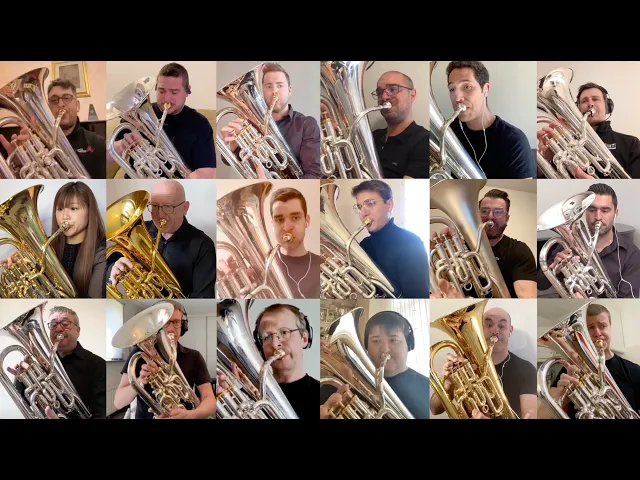
(Also called Baritone) — Similar in technique to the trumpet, the euphonium has the same range as the trombone, yet because of its more conical shape, it has a deeper and more mellow tone. In the beginning grades it functions as a bass voice in the brass section, but in the more advanced grades, it fulfills more of a tenor role, often playing important solo lines. Players who begin on euphonium read music in the bass clef, making it easy to switch to tuba. Players who begin on trumpet occasionally switch to euphonium by reading treble clef notation which sounds an octave lower when played on euphonium.
Brass
Euphonium
(Also called Baritone) — Similar in technique to the trumpet, the euphonium has the same range as the trombone, yet because of its more conical shape, it has a deeper and more mellow tone. In the beginning grades it functions as a bass voice in the brass section, but in the more advanced grades, it fulfills more of a tenor role, often playing important solo lines. Players who begin on euphonium read music in the bass clef, making it easy to switch to tuba. Players who begin on trumpet occasionally switch to euphonium by reading treble clef notation which sounds an octave lower when played on euphonium.
Brass
Tuba
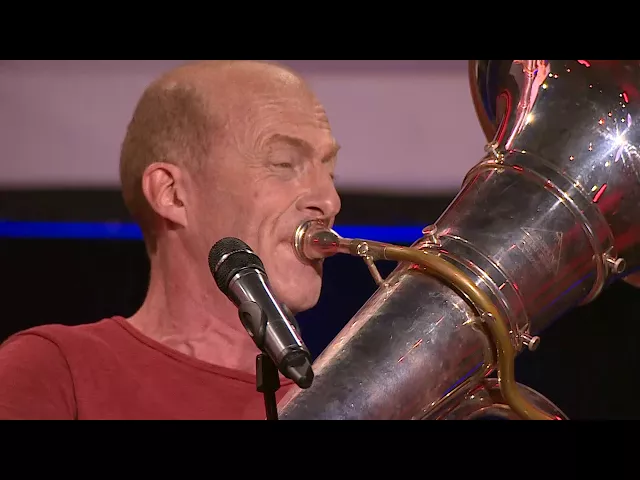
The tuba is similar in technique to the euphonium, but sounds an octave lower. As the lowest bass voice in the brass section, it is the tonal foundation and most valuable member of the band. In the more advanced grades, the tuba becomes even more important as its bass lines become independent from the other instruments. In any grade the tuba is always in demand to play in brass quintets or other small ensembles. Beginner tuba players often play a “compact tuba” about ¾ the size of a full tuba, before later switching to the full size.
Brass
Tuba
The tuba is similar in technique to the euphonium, but sounds an octave lower. As the lowest bass voice in the brass section, it is the tonal foundation and most valuable member of the band. In the more advanced grades, the tuba becomes even more important as its bass lines become independent from the other instruments. In any grade the tuba is always in demand to play in brass quintets or other small ensembles. Beginner tuba players often play a “compact tuba” about ¾ the size of a full tuba, before later switching to the full size.
Percussion
Percussion
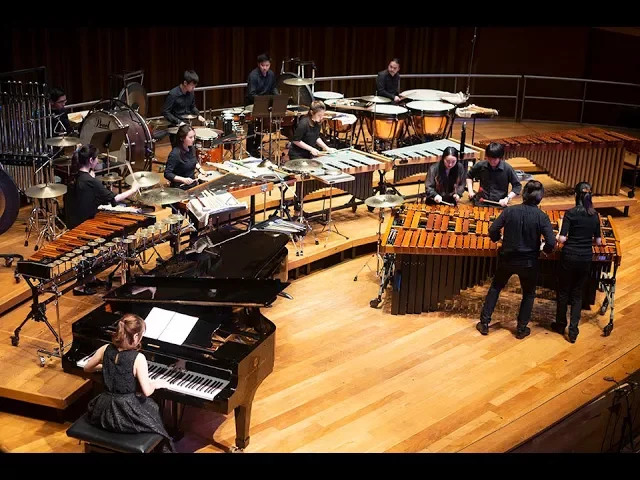
Students begin by learning bells and music reading, and later learn snare drum, bass drum, timpani, cymbals, and many other percussion instruments. This is not a section where drumset is taught. Students will need to buy their own drumsticks, xylophone mallets, and stick bag, as well as rent a percussion kit for home practice.
Percussion
Percussion
Students begin by learning bells and music reading, and later learn snare drum, bass drum, timpani, cymbals, and many other percussion instruments. This is not a section where drumset is taught. Students will need to buy their own drumsticks, xylophone mallets, and stick bag, as well as rent a percussion kit for home practice.
Questions
What parents ask most.
Does my student need any experience?
How do we get an instrument?
What does band cost?
Are private lessons required?
Can my student be in band and play a sport?
Which instrument will my student play?
Still have questions?